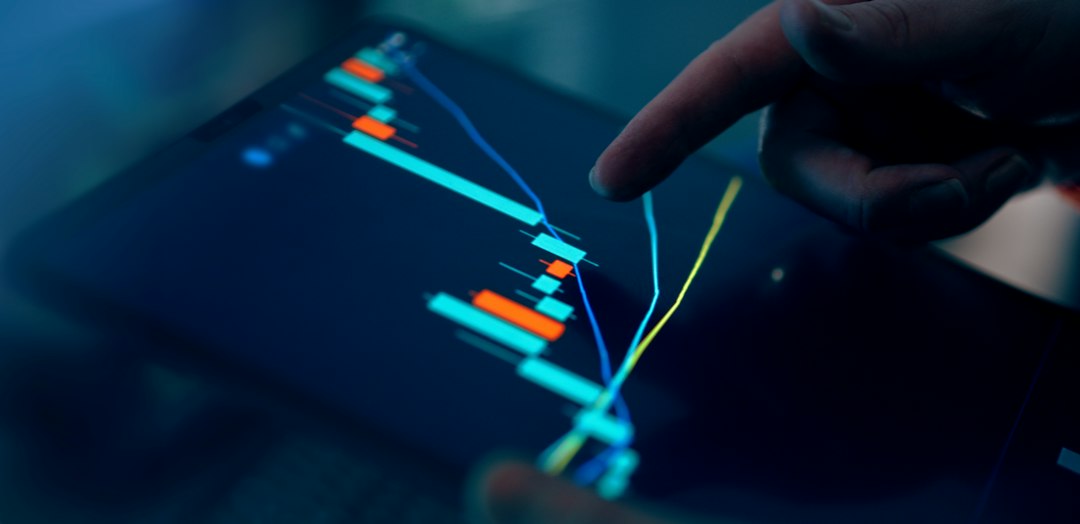
A reliable trading environment begins long before a position is opened. Platform installation, system preparation, account configuration, and connection stability all influence how smoothly a trader can work. For users looking to establish a dependable desktop setup, mt4 install is an important starting point because a correctly installed platform provides the foundation for charts, market monitoring, order management, and analytical tools. A structured installation process can also reduce avoidable technical interruptions and make the platform easier to manage during active market sessions.
Jump To
- Why a Proper Installation Matters
- Preparing the Computer Before Installation
- Finding the Correct Installation Source
- Completing the Installation Process
- Connecting the Trading Environment
- Checking Charts and Market Data
- Organizing the Workspace
- Understanding Platform Settings
- Maintaining a Reliable Trading Environment
- Common Installation Problems
- How to Troubleshoot Methodically
- Security Considerations
- Preparing for Regular Trading
- Final Considerations
Why a Proper Installation Matters
Trading platforms bring together several functions that need to work consistently. Charts must load correctly, market information should update without unnecessary interruption, and account details need to remain synchronized with the trading environment. When installation is rushed, small configuration problems can affect the overall experience.
A professional setup therefore treats installation as more than simply downloading software. It involves preparing the computer, obtaining the appropriate installation package, completing the setup carefully, and checking whether the platform communicates properly with the relevant trading server.
Reliable installation also creates a cleaner foundation for future customization. Traders may later add indicators, templates, analytical tools, or automated strategies. A stable initial environment makes these additions easier to organize and troubleshoot.
Preparing the Computer Before Installation
Before beginning, users should make sure the computer is operating normally. Unnecessary applications can be closed so that system resources remain available during the installation process. A stable internet connection is also useful because the platform may need to retrieve account or server information after setup.
The operating system should be maintained through appropriate security and system updates. Users should also verify that sufficient storage is available and that their security software permits legitimate trading software to operate correctly.
Another useful preparation step is deciding where the platform should be installed. Keeping the installation organized makes future maintenance easier. Traders who use more than one trading environment should pay particular attention to installation directories so that files, profiles, and settings are not accidentally mixed.
Finding the Correct Installation Source
The installation package should come from a trusted and authorized source. This helps reduce the possibility of downloading modified or unreliable software.
Users should avoid unfamiliar download locations that distribute altered installers or bundled applications. A clean installation package provides a better starting point for platform security and performance.
After obtaining the installer, users can review the file before opening it. On a well-maintained computer, the installation process should be straightforward, but careful attention to prompts remains important.
Completing the Installation Process
The installation wizard normally guides users through the required steps. During setup, the user should review the installation location and accept only the permissions necessary for the software to function.
Once installation is complete, the platform can be opened from its desktop shortcut or application menu. The first launch may require additional time while the software prepares its working environment.
Users should resist the temptation to immediately modify advanced settings. It is generally more efficient to confirm that the basic installation works first. Once the platform is running normally, personalization can be completed in a controlled manner.
Connecting the Trading Environment
A desktop platform is useful only when it can communicate correctly with the relevant trading infrastructure. After installation, users typically need to select the appropriate server or trading environment and enter their account credentials.
Login details should be entered carefully. An incorrect password, account identifier, or server selection can create the appearance of a technical problem even though the installation itself is functioning normally.
Connection indicators and market updates provide useful clues. If prices, charts, or account information are updating as expected, the basic connection is likely operating correctly.
Checking Charts and Market Data
Charts are among the most frequently used areas of a trading platform. After installation and login, users should open several relevant charts and observe how the market data behaves.
A properly functioning chart should display available historical information and continue updating when the market is active. Users can also check different timeframes to ensure that the charting environment behaves consistently.
This initial inspection is valuable because it establishes a baseline. If a problem appears later, the trader can compare the current behavior with the original setup and identify whether a recent change may have caused it.
Organizing the Workspace
A professional workspace should be simple enough to navigate quickly. Traders can arrange frequently used charts, market windows, and analytical tools according to their individual workflow.
Too many open charts or unnecessary indicators can make a workspace difficult to read. A cleaner arrangement can help users concentrate on relevant market information instead of navigating through excessive visual elements.
Templates and profiles can also support organization. Saving a preferred layout means traders do not have to rebuild the same workspace repeatedly.
Understanding Platform Settings
After the initial installation, users should review basic platform preferences. These can include chart appearance, notifications, sounds, data display, and other workspace-related settings.
Understanding these controls can make daily platform use more efficient. However, users should avoid changing unfamiliar technical settings without understanding their purpose.
A useful principle is to make changes gradually. Adjust one setting, observe the result, and then continue. This makes troubleshooting considerably easier than changing several configurations simultaneously.
Maintaining a Reliable Trading Environment
Installation is only the beginning of platform maintenance. A dependable setup requires regular attention to the computer, internet connection, software environment, and account configuration.
Users should keep important credentials secure and avoid sharing login information. Passwords should be handled through appropriate security practices, particularly when a trading account provides access to real market activity.
Routine computer maintenance can also support consistent performance. Removing unnecessary applications, monitoring system resources, and keeping security protections active can help maintain a stable working environment.
Common Installation Problems
Some installation difficulties are caused by simple issues. The installer may not have the necessary permissions, the download may be incomplete, or security software may interfere with the setup.
Other problems can appear after installation. For example, the platform may open correctly but fail to display current market information because the wrong server has been selected.
Connection interruptions may also result from local internet problems rather than the platform itself. Separating installation issues from account, server, and network issues is an important troubleshooting habit.
How to Troubleshoot Methodically
When something does not work as expected, users should avoid changing multiple settings at once. A methodical process usually produces clearer results.
First, confirm that the platform opens normally. Next, verify the account credentials and server selection. Then check the internet connection and observe whether market data is updating.
If the problem continues, restarting the platform can help determine whether the issue was temporary. Users should also review relevant messages or status information provided by the software.
Keeping notes about configuration changes can be helpful for more advanced setups. This creates a simple record of what was changed and when.
Security Considerations
Security deserves attention throughout the installation process. Users should download software from legitimate sources and protect their account credentials.
A secure computer environment should include appropriate operating-system protections and reputable security tools. Suspicious files, unknown browser extensions, and unverified software should be avoided.
Users should also be cautious when installing additional indicators or automated tools. Third-party files can introduce risks if their origin and behavior are not understood.
Preparing for Regular Trading
Once installation, login, charts, and basic settings have been verified, the platform is ready for routine use. Before active trading, users can spend time becoming familiar with the interface.
Understanding where orders, charts, account information, and analytical functions are located can reduce unnecessary hesitation. Familiarity is particularly useful when market conditions change quickly.
A well-prepared workspace should support decision-making rather than distract from it. The goal is not to fill the platform with every available feature, but to create an environment that is clear, stable, and practical.
Final Considerations
A dependable trading setup begins with disciplined preparation. Installing the platform correctly, confirming the connection, checking market data, organizing the workspace, and maintaining security can establish a strong technical foundation.
The installation process should therefore be viewed as part of overall trading readiness rather than a routine software task. When the platform environment is organized and properly maintained, traders can focus more effectively on market analysis and account management.
Regular checks are equally valuable. Technology, networks, account settings, and user requirements can change over time. Maintaining the installation with the same care used during the initial setup helps preserve reliability and supports a more consistent desktop trading experience.
Quick Summary
- A reliable trading environment is established through careful platform installation, system preparation, and account configuration.
- Users should obtain the installation package from a trusted source to avoid unreliable software that can affect platform performance.
- After installation, traders must confirm that the platform works correctly before making any advanced modifications to settings.
- It’s important for users to check that charts and market data are updating as expected to ensure proper connectivity with the trading environment.
- Organizing the workspace by arranging frequently used charts and tools can improve navigation and focus during trading sessions.
- Reviewing basic platform preferences after installation helps users customize their trading experience effectively.